Julian Drago
March 26, 2026
In the tax field, timely compliance with tax obligations is just as important as correctly determining taxes. However, in practice, it is common for individuals and businesses to face situations in which they do not file their returns on time or make errors in them.
In these cases, understanding how to file prior year tax returns becomes an essential step to regularize the tax situation and avoid legal or financial consequences.
Whether due to lack of knowledge, changes in financial circumstances, personal issues, or administrative errors, failing to file taxes can lead to the accumulation of penalties, interest, and even collection actions by the authority. Fortunately, the U.S. tax system allows these situations to be corrected, as long as the proper procedures on how to file prior year tax returns are followed.
In this article, you will find a complete guide on how to file prior year tax returns, including its definition, when it is necessary, the detailed steps, the forms involved, and the best practices to avoid mistakes.
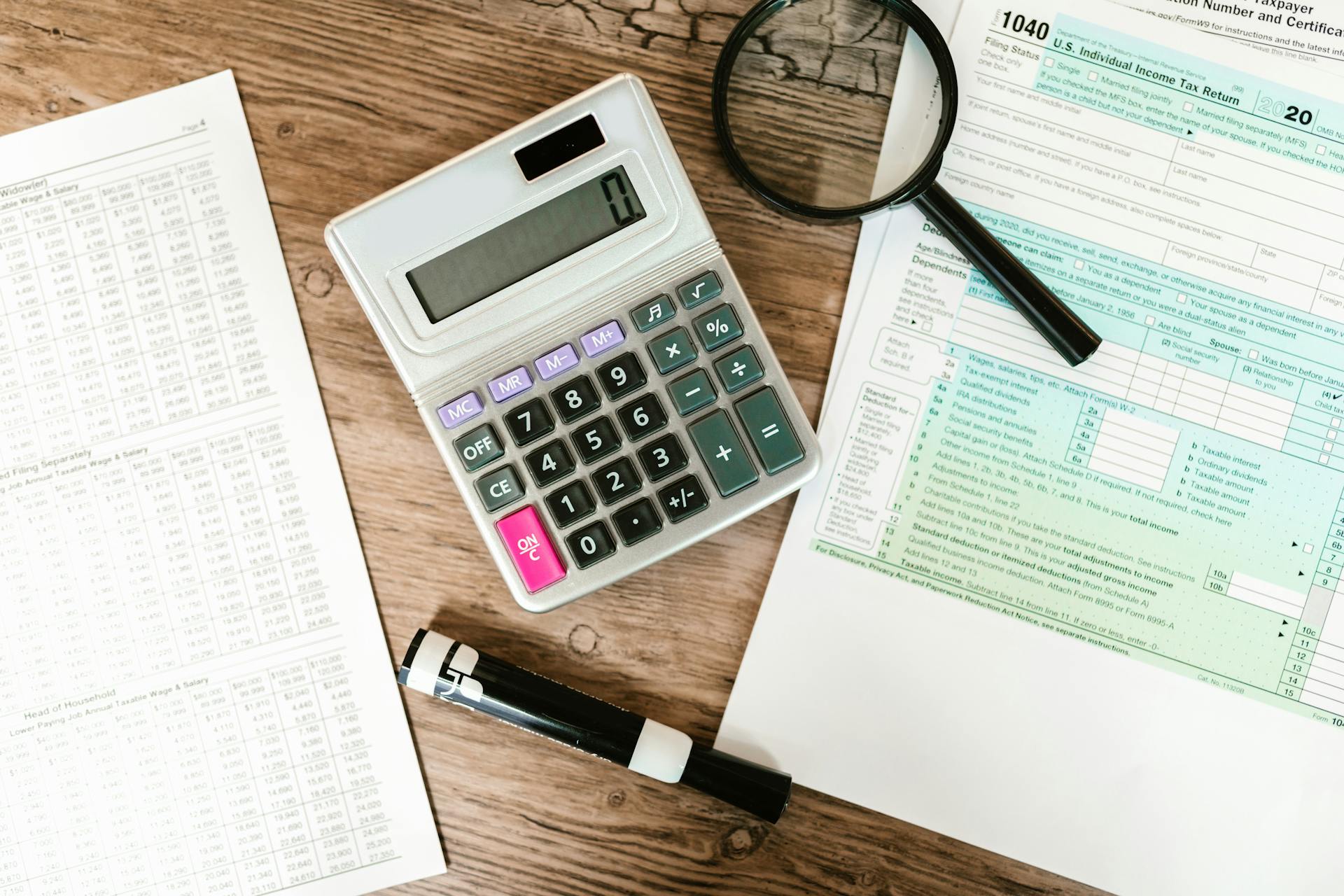
A prior year tax return is the process by which a taxpayer files or corrects a tax return corresponding to a past tax period. This involves working with information from closed years, applying the regulations in force at that time. This is key when learning how to file prior year tax returns.
This process of how to file prior year tax returns may occur in different scenarios:
Unlike a current annual return, knowing how to file prior year tax returns requires greater care, as it involves historical documentation and possible adjustments by the authority.
Understanding how to file prior year tax returns is not only important from a legal standpoint, but also from a financial and strategic perspective. Regularizing your situation can bring multiple benefits:
Additionally, maintaining an up-to-date tax situation through knowledge of how to file prior year tax returns is key to participating in business processes, applying for loans, or meeting immigration requirements in some cases.
In the United States, the tax system is governed by the Internal Revenue Code and administered by the Internal Revenue Service (IRS).
The IRS allows taxpayers to file late returns or correct errors without the need for complex judicial processes, as long as they act voluntarily and within the established guidelines on how to file prior year tax returns.
When a taxpayer did not file their return in one or more tax years, they must do so using the corresponding form for each period. The most common form is Form 1040. Each tax year has its own version of the form, so it is essential to use the correct document when learning how to file prior year tax returns. Current forms should not be used to file past years.
If the return was filed but contains errors, the taxpayer can correct it using Form 1040-X. This form allows adjustments without the need to file a new return from scratch in your process of how to file prior year tax returns.
The first step to understanding how to file prior year tax returns is determining which years have not been filed or which contain errors. This can be done by reviewing personal records or requesting a transcript from the IRS.

It is essential to have all the information corresponding to each tax year, including:
Incomplete documentation can lead to errors and delays in your process of how to file prior year tax returns.
Each tax year has specific forms. You must ensure that you use the Form 1040 for the corresponding year or Form 1040-X in case of corrections.
When filing late returns, unpaid taxes, late filing penalties, and accumulated interest may apply. These amounts increase over time, so it is advisable to act as soon as possible.
In many cases, prior year tax returns must be sent by physical mail, as they are not always available for electronic filing.
If there is a tax debt, the taxpayer can pay the full amount, request a payment plan, or negotiate tax relief options.
Failing to file returns can have significant consequences. The IRS may prepare a substitute return without deductions, apply penalties and surcharges, initiate collection processes, or garnish bank accounts or wages.
For this reason, learning how to file prior year tax returns is essential to avoid major problems.
There are time limits you should consider:
Acting quickly can help you take advantage of benefits and reduce risks when learning how to file prior year tax returns.
Some of the most frequent errors include using incorrect forms, omitting income, not signing the return, not attaching the required documentation, or ignoring penalties and interest. Avoiding these mistakes is key to a successful process of how to file prior year tax returns.
Can I file multiple years at the same time?
Yes, you can file several late returns at once. However, you must file a separate return for each tax year and, if sending by mail, use a different envelope for each year to avoid confusion.
Can I do it online?
It depends on the year. The IRS usually allows electronic filing (e-file) only for the current year and the two previous years. Older returns must be printed, signed by hand, and sent by postal mail.
What happens if I have a refund?
You will be able to receive it, but there is a time limit. You have a maximum of three years from the original due date of that return to claim the money; if you exceed that time, you lose the right to the funds.
Is it mandatory to file prior year returns?
Yes. If your income required you to file at that time, that obligation does not expire. For returns that were never filed, there is no statute of limitations, so the IRS can require them at any time.
.jpg)
Understanding how to file prior year tax returns is essential to maintain an organized tax situation in the United States. Although the process may seem complex, it is based on clear steps: identifying pending years, gathering the appropriate documentation, using the correct forms, and complying with the requirements established by the IRS.
Regularizing your situation not only avoids penalties, but also allows you to recover benefits, improve your financial history, and operate with greater peace of mind. With Openbiz, you can simplify the process and receive expert guidance tailored to your needs. Schedule a call today and move forward with confidence.



Concierte una reunión virtual gratuita con nuestro equipo de expertos.
Programar una reunión
Compare precios y elija el plan ideal para su empresa.
Ver planos y precios