Julian Drago
September 12, 2025
In the last decade, digital payments have shifted from being an option to becoming an essential part of daily life. Shopping online, splitting a restaurant bill, or even paying rent are now tasks many people handle directly from their mobile phones. In the United States, one of the most popular tools for this type of transaction is Venmo, an app that not only makes sending and receiving money easy but also adds a social component that sets it apart from other payment systems.
Understanding how Venmo works is important if you plan to travel, live, or start a business in the U.S., since millions of people use it daily and many businesses already accept it as a form of payment.
Venmo is a mobile payment app launched in 2009 and acquired by PayPal in 2014. Unlike traditional bank transfers, its main appeal lies in the speed and simplicity of moving money between people—along with its social nature.
Each Venmo payment can include a message, emojis, or comments, which are displayed in a feed similar to a social network. This feature has turned the app into a cultural phenomenon, especially among younger users, who use it not only for finances but also to share everyday moments.
In short, Venmo combines three elements:
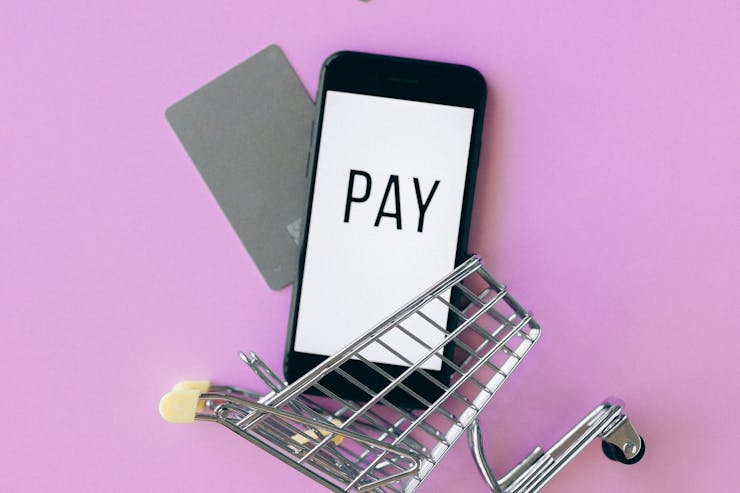
Venmo’s process is simple and accessible:
Venmo has become one of the most widely used apps in the U.S. thanks to benefits such as:
Despite its strengths, Venmo also has restrictions:
Originally designed for peer-to-peer transfers, Venmo is now part of the business world. Many small businesses and merchants accept Venmo, particularly those targeting younger customers who prefer digital payments over cash.
Additionally, PayPal has integrated Venmo into its network, enabling online stores to offer it as a checkout option. This shift has made Venmo more than a bill-splitting tool—it’s now an ecosystem with its own cards, merchant benefits, and e-commerce presence.
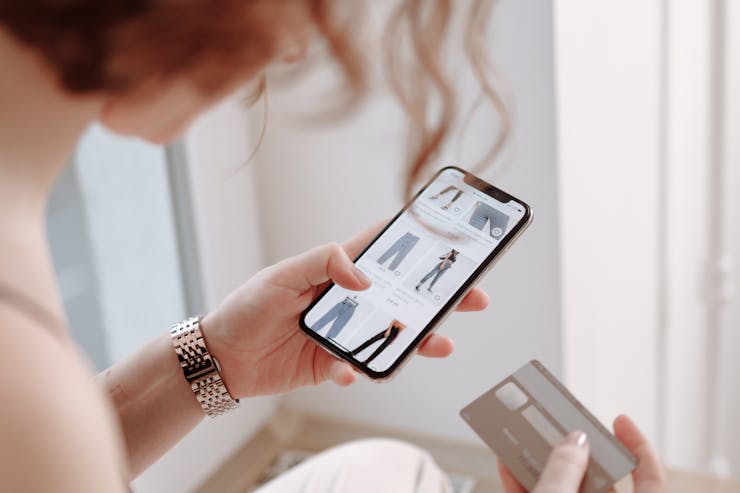
Venmo uses encryption and protection measures, but its social aspect can lead users to overshare information. For safer use, it’s recommended to:
With these precautions, the risk of incidents is significantly reduced.
Beyond finance, Venmo has become a cultural symbol in the U.S. The phrase “I’ll Venmo you” is part of everyday language, especially among students and young professionals.
The social feed—payments with emojis and jokes—makes it feel more friendly and fun than a standard bank transfer. This feature has helped Venmo stand out from competitors like Zelle or Cash App.
This aspect has been key to differentiating it from competitors such as Zelle or Cash App.
Can I use Venmo outside the United States?
No. Venmo is only available to users with eligible U.S. bank accounts, phone numbers, and access within the United States.
Does Venmo charge fees for sending money?
It depends on the payment method. There are no fees when using your Venmo balance, a linked bank account, or a debit card. A 3% fee applies when sending money with a credit card.
Are Venmo transactions private?
Not by default. Many transactions are visible to friends or even the public feed. However, you can change your privacy settings to make your payments completely private.
Is Venmo safe for business transactions?
Yes, when used through Venmo Business Profiles or other authorized business features. It's also best to avoid sending money to unknown individuals or making payments without verifying the transaction.
What's the difference between Venmo and PayPal?
Venmo is designed primarily for fast, social peer-to-peer payments, while PayPal focuses on online shopping, international transactions, and business payments.
Do I need a bank account to use Venmo?
Not necessarily. You can link a debit or credit card, although connecting a bank account provides more options for adding funds and withdrawing money with lower fees.
Can I cancel a Venmo payment after sending it?
Only in certain situations. If the payment is still pending because the recipient hasn't accepted it or doesn't have an active Venmo account, you may be able to cancel it. If the payment has already been completed, you'll need to request a refund directly from the recipient.
For foreign entrepreneurs looking to operate in the U.S., understanding payment systems like Venmo is crucial. Not only does it simplify customer interactions, but it also reflects the digitalization of the U.S. financial system.
Running a company in the U.S. means adapting to these tools, knowing their pros and cons, and selecting the right ones for your business model.
Understanding apps like Venmo is just one part of adapting to the U.S. business environment. If your goal is to open or expand a company in the U.S., you must also meet all the legal, tax, and administrative requirements.
At Openbiz, we guide you through company formation, accounting, and tax management so you can operate securely and professionally.
Contact us today and build your business in the U.S. with the support of expert advisors.



Concierte una reunión virtual gratuita con nuestro equipo de expertos.
Programar una reunión
Compare precios y elija el plan ideal para su empresa.
Ver planos y precios