Julian Drago
Stanford GSB · Business Scaling Program
Program University of Buenos Aires · Public Accounting
Date published:
February 2, 2026
Last updated:
August 17, 2026
For those managing businesses, understanding the 2026 Tax Calendar in the United States is essential to avoid penalties, optimize resources, and remain compliant with the Internal Revenue Service (IRS). This article provides a detailed and practical guide to the most relevant deadlines, tailored to different business structures and supported by specific examples to facilitate financial planning around the 2026 Tax Calendar in the United States.
The first quarter contains some of the most important obligations in the 2026 Tax Calendar in the United States. Correctly identifying the company's legal structure is key to meeting deadlines and avoiding penalties or interest for late filing. In addition, reviewing the 2026 Tax Calendar in the United States in advance allows businesses to better plan cash flow and internal management.
When analyzing the 2026 Tax Calendar in the United States, we can see that partnerships, multi-member LLCs taxed as partnerships, and S-Corporations must file their informational returns by March 16, 2026. This date is extended by one day from the usual March 15 deadline because March 15 falls on a Sunday. The applicable forms are:
These entities generally do not pay income tax at the corporate level. Instead, they pass profits or losses through to their partners or shareholders using Schedule K-1, which must be provided on time so they can complete their individual tax returns.
It is important for partners and shareholders to receive these documents in advance so they can align their individual tax filings with the 2026 Tax Calendar in the United States. In addition, entities should ensure that all reported information is accurate, as errors may result in audits or additional requests from the IRS.
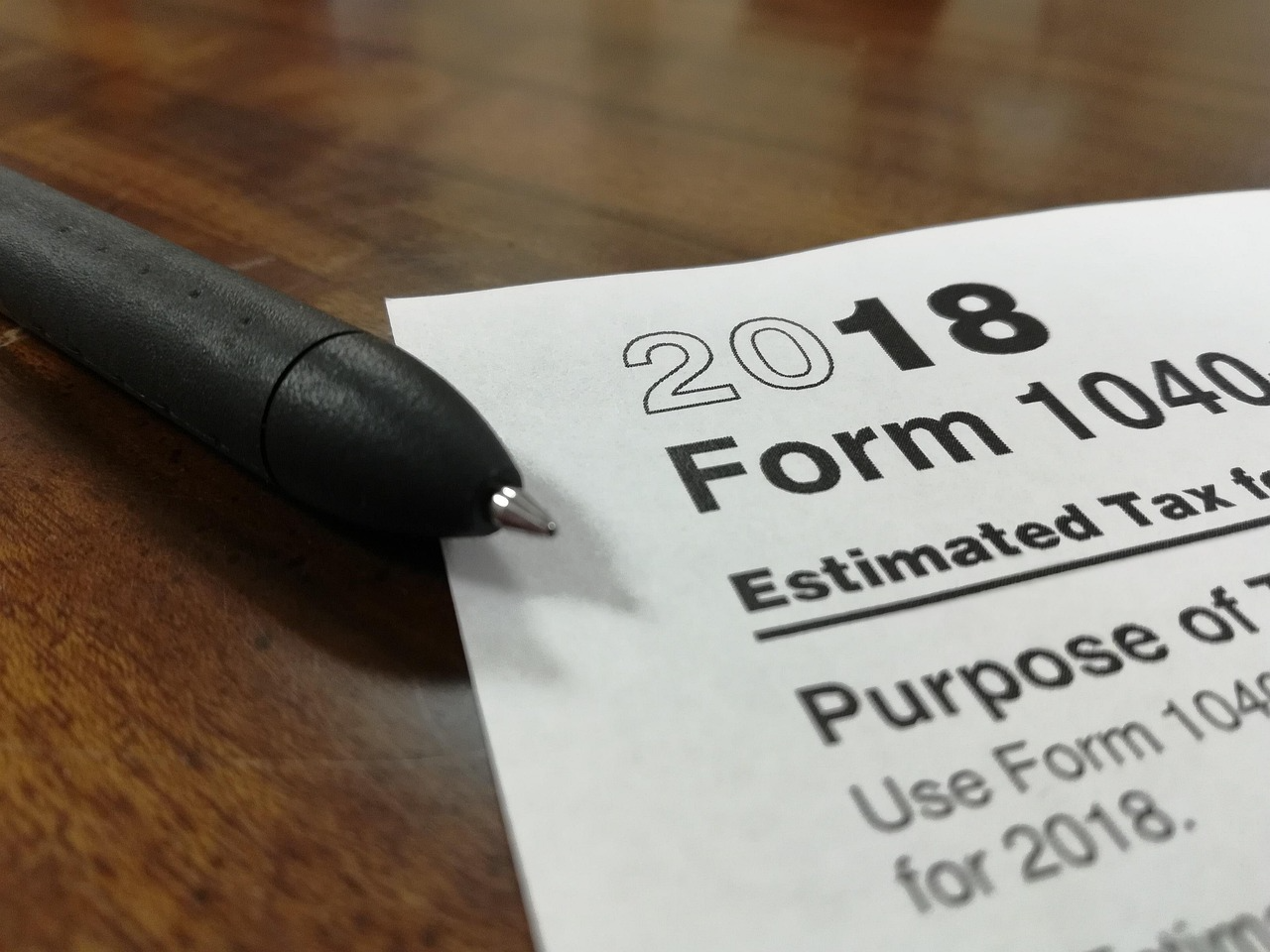
C-Corporations and individual taxpayers, including owners of single-member LLCs, must file their tax returns by April 15, 2026. This date is known as "Tax Day" and represents a key milestone in the 2026 Tax Calendar in the United States. The main forms include:
For individuals, this date also marks the deadline for reporting income, deductions, and tax credits. Preparing in advance is essential to avoid errors or delays, especially for those with complex income or multiple sources of income.
C-Corporations should also consider that, when navigating the obligations included in the 2026 Tax Calendar in the United States, state and local requirements may apply and require attention at the same time.
In addition to the annual tax returns included in the 2026 Tax Calendar in the United States, the IRS requires quarterly estimated tax payments to help avoid underpayment penalties. This obligation generally applies to taxpayers who expect to owe more than $1,000 in taxes. These payments help distribute the tax burden throughout the year and maintain business liquidity.
Payments are made using Form 1040-ES or the Electronic Federal Tax Payment System (EFTPS), following the deadlines established by the 2026 Tax Calendar in the United States:
Taxpayers should calculate estimated payments based on actual or projected income to avoid penalties for underpayment. If there are significant changes in income or deductions as the 2026 Tax Calendar in the United States progresses, the amount of quarterly estimated payments should be adjusted accordingly.
Before the main tax return deadlines established by the 2026 Tax Calendar in the United States, businesses must report payments made to employees and contractors during the previous year (2025). Key dates include:
These reports are essential for the IRS to verify income and payments and for recipients to prepare their tax returns. Failure to comply may result in significant penalties. Businesses should maintain detailed and up-to-date records throughout the year to facilitate the preparation of these documents and fully comply with the 2026 Tax Calendar in the United States.
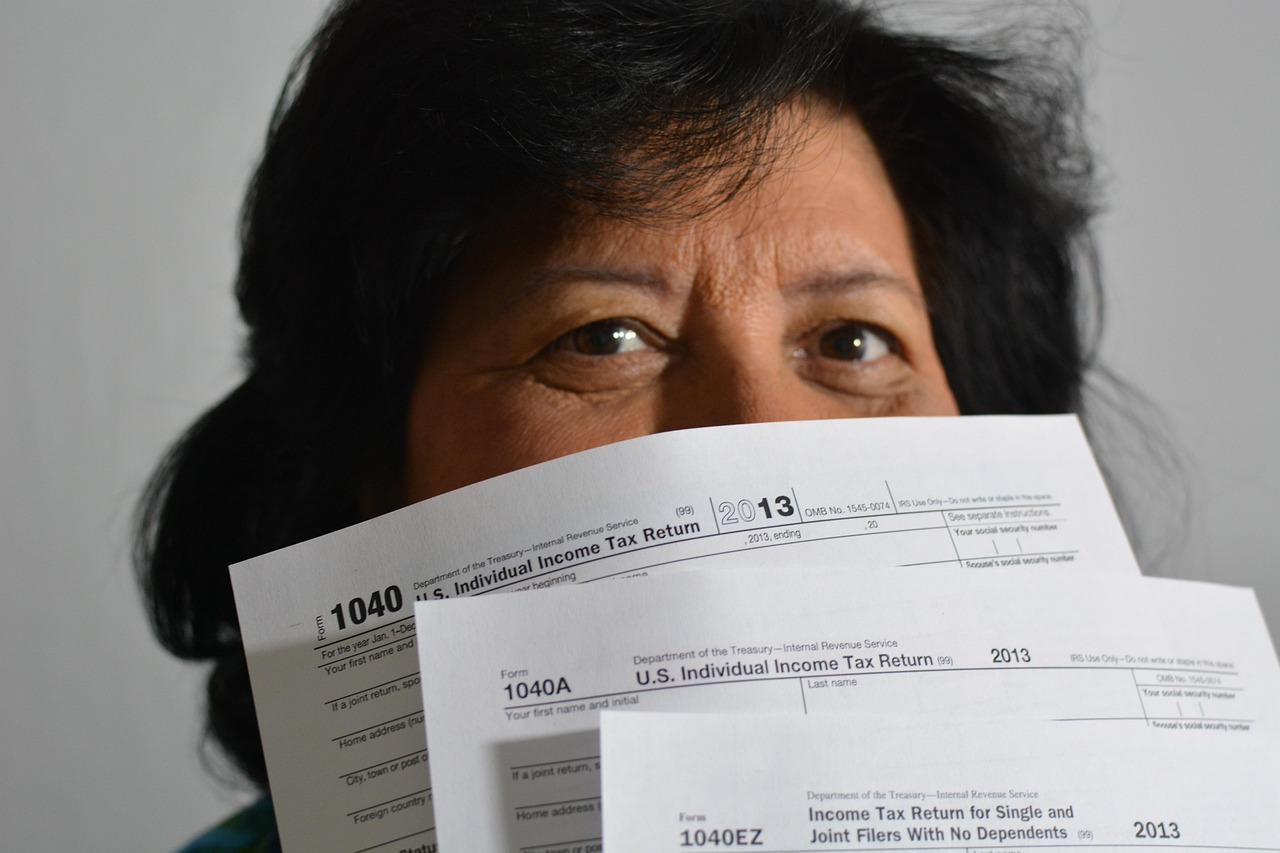
If it is not possible to meet the deadlines established by the 2026 Tax Calendar in the United States, the tax system allows taxpayers to request extensions. However, it is crucial to understand their limitations to avoid penalties. An extension is a useful tool for gaining additional time to file, but it does not eliminate the requirement to pay taxes on time.
To obtain an additional six months, businesses must file Form 7004, while individuals must file Form 4868, before the original deadline. The new deadlines, within the framework of the 2026 Tax Calendar in the United States, are:
Important: An extension only postpones the filing deadline, not the payment deadline. Taxes must be paid by the original due date, April 15, or interest and penalties may apply from that date.
In addition, taxpayers should accurately estimate their tax liability to avoid underpayments that could result in penalties under the rules of the 2026 Tax Calendar in the United States.
At year-end, reviewing your finances can help you take advantage of available tax deductions. For example, purchasing necessary equipment, contributing to business retirement plans such as a SEP IRA, or adjusting withholding may reduce the tax liability projected under the 2026 Tax Calendar in the United States. Keeping digital records organized makes this process easier and helps prevent missed opportunities.
Other strategies include:
It is advisable to consult a tax professional to develop a personalized plan that aligns with the company's needs and objectives.
Specific example: According to the 2026 Tax Calendar in the United States, an LLC with two partners must file Form 1065 by March 16, 2026. If the Schedule K-1 forms are not provided on time, the partners may be delayed in filing their individual tax returns, potentially resulting in penalties.
Exception: If March 15 did not fall on a Sunday, the deadline would not automatically be extended. In 2026, this rule applies because the date falls on a weekend.
Decision-making criterion: When deciding whether to file an extension or pay immediately, evaluate whether you can cover the tax liability. If you cannot, filing an extension can help avoid a late-filing penalty, but you should pay as much as possible to reduce interest.
Practical case: An owner of a single-member LLC who expects to owe $2,000 in taxes should make quarterly estimated tax payments to stay on schedule with the 2026 Tax Calendar in the United States. EFTPS can be used to schedule these payments.
Additional consideration: A business that experiences a significant change in income during the year should recalculate its estimated tax payments to avoid penalties. For example, if a business receives a large contract during the third quarter, it should adjust its September 15 payment to reflect the increase.
Information reporting example: A company that hires several freelancers should ensure that it provides Form 1099-NEC to each contractor by February 2, 2026, so they can properly report their income.

For updated information and all forms mentioned in the 2026 Tax Calendar in the United States, consult the official sources:
For state filings, visit the tax authority for the state where your business operates. Each state may have additional deadlines and requirements that must be met to avoid local penalties.
If you are looking for support managing your tax obligations in the United States, Openbiz can help you organize your tax processes, meet deadlines, and keep your business up to date. Explore its services and receive guidance tailored to your company's needs.
When must partnerships and S-Corporations file their taxes in 2026?
The deadline is March 16, 2026, to file Form 1065 or Form 1120-S.
When must C-Corporations and individuals file their taxes?
The general deadline is April 15, 2026. This deadline also applies to owners of single-member LLCs who report their income on their individual tax returns.
What are the estimated tax payment deadlines in 2026?
Payments are due on April 15, June 15, and September 15, 2026, and January 15, 2027, for the fourth quarter.
Who must make estimated tax payments?
Generally, taxpayers who expect to have a tax liability of at least $1,000 should make estimated tax payments to avoid potential underpayment penalties.
What forms must businesses file to report payments to employees and contractors?
Businesses must provide W-2 forms to employees and 1099-NEC forms to independent contractors by February 2, 2026. Other information returns, such as Form 1099-MISC, may have later deadlines.
Can a tax extension be requested to file the tax return?
Yes. Businesses can request an extension using Form 7004, while individuals can use Form 4868. The extension generally provides an additional six months to file the tax return.
Does an extension also allow taxpayers to delay paying their taxes?
No. An extension only postpones the filing deadline. Any taxes owed must be paid by the original deadline to avoid interest and potential penalties.
Reviewed by: Melissa Trejos, Compliance Specialist
Review date: August 2026
Last updated: August 2026 (Information valid for the 2026 tax year.)
This content was prepared through documentary research and human review by experts in U.S. taxation. Artificial intelligence assistance was used to optimize the writing, with all content supervised and corrected by the editorial team to ensure accuracy and clarity. This content is for informational purposes only and does not constitute professional advice. Consult an accountant or attorney before making a decision.



Concierte una reunión virtual gratuita con nuestro equipo de expertos.
Programar una reunión
Compare precios y elija el plan ideal para su empresa.
Ver planos y precios